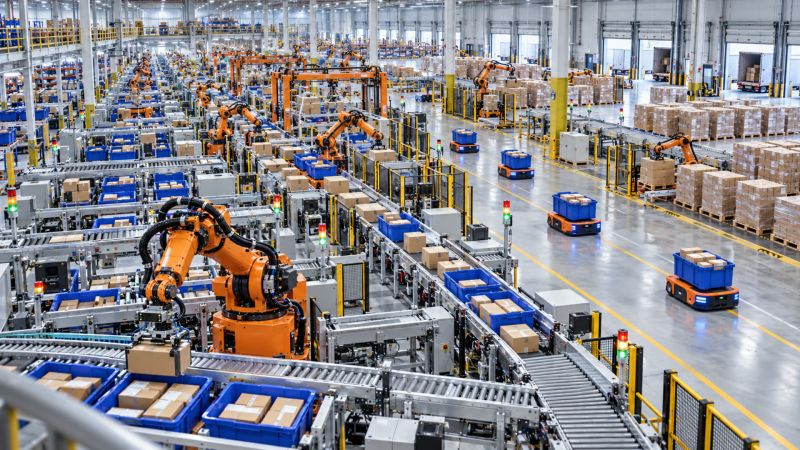
In Fortune, Mark Minevich and I look at why a robot can cost $2 or $35 an hour, depending on who you ask.
The question that matters is how much useful work a robot can reliably complete. Utilization decides the economics.
My advice to founders building in Physical AI:
1. Sell labor, not robots. Get paid for the work itself. In industrial automation, that might be pallets moved, trailers unloaded, and parts sorted.
2. Treat utilization as the business model. An idle robot is an expensive robot.
3. Start with a wedge. Pick one high-volume task, like moving pallets, and get it working on a factory floor.
4. Build for real-world conditions. Robots need to operate reliably in factories, warehouses, and other customer environments.
5. Let deployments compound. Every hour in the real world improves the model, expands what it can do, and lowers the cost.
I believe Physical AI will usher in the era of Labor as a Service and change how work gets done across a global labor market worth more than $30 trillion.
The winners will be measured by how much work their robots get done.